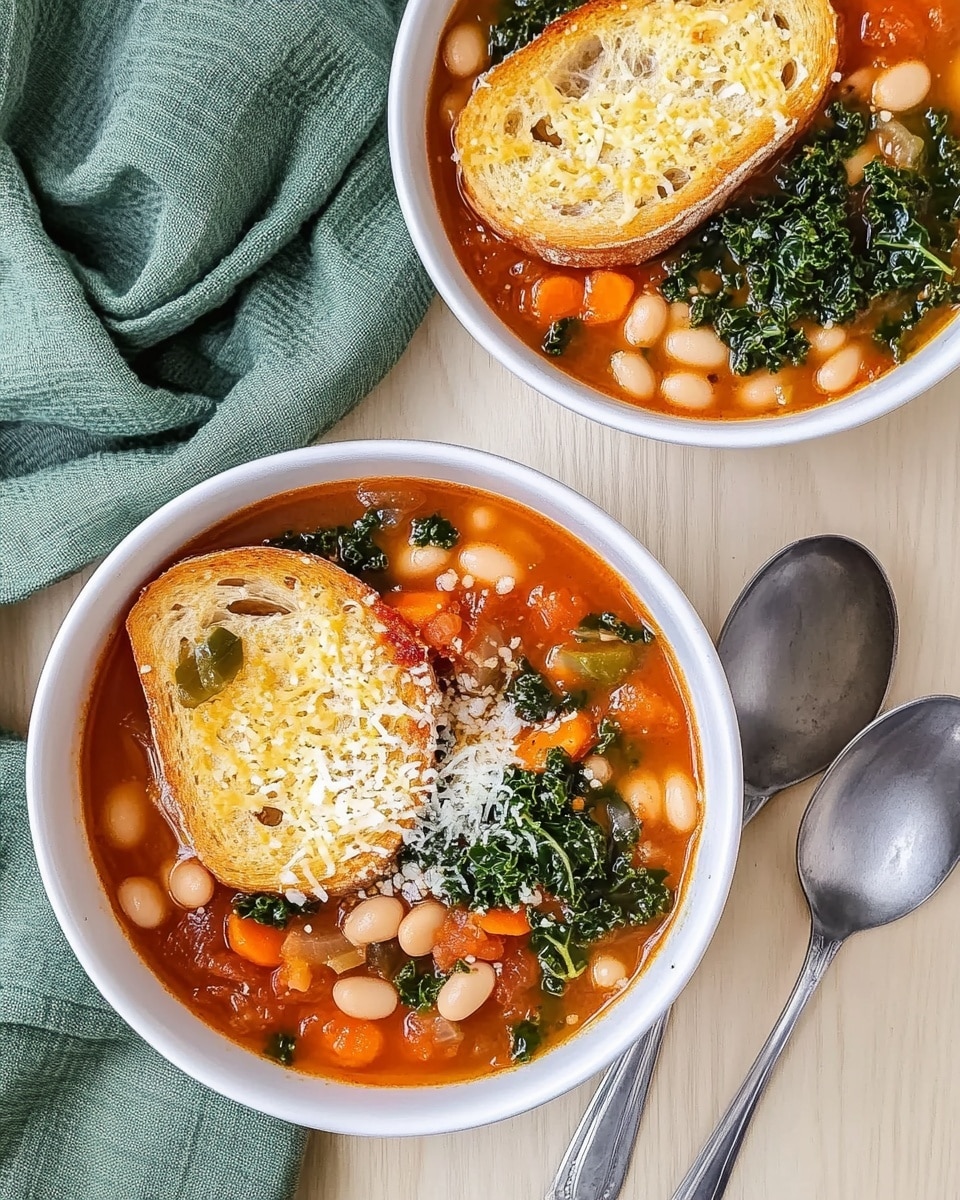
Easy Ribollita: Your Go-To Rustic Tuscan Winter Soup Recipe
When the chill of winter sets in, there's nothing quite as comforting as a warm, hearty bowl of soup. But not just any soup – we're talking about
Ribollita, Tuscany's celebrated rustic bread and bean soup. This isn't merely a dish; it's a culinary embrace, a testament to the Italian genius for transforming simple, wholesome ingredients into something truly extraordinary. Forget complicated recipes or exotic components;
easy ribollita is all about straightforward goodness, making it the ultimate winter staple for any home cook.
What makes ribollita so special? It’s a dish born from necessity, evolving from humble origins into a beloved culinary icon. This delightful Tuscan soup offers a unique blend of textures and deeply developed flavors, often improving with each reheat. It’s a dish that teaches us the value of simplicity and the incredible potential of everyday pantry staples, particularly when it comes to utilizing stale bread and leftover vegetables. Whether you're a seasoned chef or a beginner in the kitchen, mastering an easy ribollita recipe is a rewarding journey into the heart of Tuscan comfort food.
What Exactly is Ribollita? The "Reboiled" History of Tuscan Comfort
At its heart,
ribollita is a thick, nourishing vegetable and bread soup originating from the central Italian region of Tuscany. The name itself, "ribollita," translates to "reboiled," a clue to its fascinating history. Traditionally, this robust soup was a creation of the less well-off, a resourceful way to stretch meals and minimize waste. It was common practice to take leftover bean and vegetable soup – perhaps yesterday's minestrone – and "reboil" it with the addition of stale bread. This wasn't just about reheating; the bread absorbed the flavorful broth, thickening the soup and making it incredibly satisfying and substantial.
This historical context highlights why there isn't one "true" ribollita recipe. Instead, it’s more of a culinary philosophy, a flexible framework centered around a few key components: beans, a medley of seasonal vegetables, and, most importantly, day-old bread. This adaptability is part of its charm. It allows home cooks to use whatever they have on hand, making each pot of
rustic ribollita a unique reflection of the pantry and the season.
Ribollita Explained: The Comforting Tuscan Leftover Bread Soup is a dish that truly embodies the spirit of *cucina povera* – "poor cooking" – which values resourcefulness and flavor above all else.
The Magic in the Making: Why Ribollita Becomes More Than Just Soup
While its origins are humble, the resulting flavor profile of ribollita is anything but. There's a particular alchemy that happens when simple ingredients are allowed to simmer and mingle, especially when stale bread is introduced. Unlike many soups where bread is merely a garnish, in ribollita, it's an integral component, dissolving partially into the broth to create a wonderfully thick, almost stew-like consistency. This transformation is key to the irresistible appeal of this
Tuscan winter soup.
The magic truly begins with the aromatic base: the *soffritto*. Sautéing finely diced onion, carrot, and celery in olive oil lays down a foundational layer of sweetness and depth. This trio, often joined by garlic and fresh herbs like rosemary or thyme, infuses the entire pot with savory goodness. As tomatoes, beans, and broth are added and allowed to simmer, the flavors develop and marry. But it's the stale bread that truly distinguishes ribollita. Instead of becoming mushy, day-old bread gracefully absorbs the rich broth, lending a unique textural dimension and making the soup incredibly filling without needing any meat. This process of "reboiling" and allowing the flavors to meld is what makes ribollita a dish that often tastes even better the next day, as the bread continues to soften and the components deepen their relationship.
Crafting Your Easy Ribollita: A Versatile Blueprint
Making a delicious pot of
easy ribollita is surprisingly straightforward. While traditional recipes might call for an overnight soak of dried beans or a specific sequence of adding greens, our focus here is on a method that delivers maximum flavor with minimal fuss, perfect for a cozy winter evening. This recipe serves as a flexible guide, encouraging you to embrace the spirit of ribollita by using what you have available.
The Aromatic Foundation: Soffritto & Herbs
Start with a generous glug of good quality olive oil in a large, heavy-bottomed pot or Dutch oven over medium heat. Add your finely diced *soffritto* – typically one large onion, two carrots, and two celery stalks. Sauté gently until softened and translucent, about 8-10 minutes. This slow cooking allows their natural sugars to caramelize, building the first layer of flavor.
Next, add 3-4 cloves of minced garlic and 1-2 sprigs of fresh rosemary (or a teaspoon of dried, or fresh thyme for a different aromatic note). Sauté for another minute until fragrant, being careful not to burn the garlic. For an extra bright touch, a splash of dry white wine can be added here, allowing it to cook down for a minute or two before the next steps. This deglazes the pan and adds a lovely complexity to the broth.
The Hearty Core: Beans, Tomatoes & Broth
Stir in a large can (28 ounces) of diced tomatoes, preferably good quality San Marzano tomatoes, along with their juices. If you have a Parmesan rind lying around, toss it in now – it will slowly dissolve, adding a profound umami depth to your
Tuscan white bean soup. Pour in 6-8 cups of vegetable broth (or chicken broth if you're not strictly vegetarian). Bring the mixture to a simmer.
Now, add two cans (15 ounces each) of cannellini beans, rinsed and drained. Cannellini beans are classic for their creamy texture, but other white beans like great northern or even cranberry beans work beautifully. Let the soup simmer gently for at least 15-20 minutes, allowing all the flavors to meld. The longer it simmers, the more depth it will achieve, so don't rush this step if you have time.
The Signature Thickener: Day-Old Bread & Greens
This is where the magic truly happens! Take 4-6 slices of day-old crusty bread – ciabatta, country bread, or a good sourdough are ideal. Tear or cut the bread into rough cubes. If your bread isn't stale, you can quickly toast it in an oven or toaster to dry it out slightly. Stir the bread directly into the simmering soup. It will begin to absorb the liquid and thicken the broth.
Finally, stir in a generous bunch of Tuscan kale (lacinato kale), roughly chopped with the tough stems removed. Alternatively, you can use regular curly kale, spinach, or even Swiss chard. Continue to simmer for another 5-10 minutes, or until the greens are tender and the soup has reached your desired thickness. The bread should be mostly incorporated, making the soup wonderfully robust. Remove the Parmesan rind before serving.
Tips for the Best Ribollita Experience
*
Embrace Stale Bread: Seriously, don't use fresh, soft bread. Day-old or slightly toasted bread holds its form better initially and then breaks down beautifully to thicken the soup without turning gummy.
*
Don't Skip the Soffritto: This aromatic base is crucial for developing deep flavor. Sautéing slowly and patiently makes all the difference.
*
Parmesan Rind is Your Friend: If you have one, always add it. It's a secret weapon for adding savory depth and umami without adding extra salt. Just remember to remove it before serving.
*
Herbs Matter: Fresh rosemary or thyme elevate the flavor immensely. If using dried herbs, add them with the soffritto to "bloom" their flavor.
*
Taste and Adjust: Season generously with salt and freshly ground black pepper throughout the cooking process. A drizzle of high-quality extra virgin olive oil over each bowl just before serving is also essential for authentic Tuscan flavor.
*
Serve with More Bread: While bread is *in* the soup, serving extra toasted bread cubes or croutons on the side adds a delightful crunch and texture contrast. A sprinkle of freshly grated Parmesan cheese on top is also highly recommended.
*
It Gets Better: Ribollita is one of those dishes that truly improves overnight. The flavors meld further, and the texture becomes even richer. Make a big batch, and enjoy leftovers for days!
Conclusion
Easy ribollita is more than just a soup; it's a testament to the power of simple, wholesome ingredients and the enduring charm of Tuscan culinary tradition. It's a dish that warms you from the inside out, offering both profound comfort and surprising elegance. Whether you're seeking a resourceful way to use leftovers or simply craving a hearty, flavour-packed meal for a cold evening, this rustic bread and bean soup delivers every time. So, gather your ingredients, embrace its adaptable nature, and let the comforting aroma of this incredible
Tuscan winter soup fill your kitchen. You'll quickly discover why ribollita becomes a beloved fixture in your winter cooking repertoire.