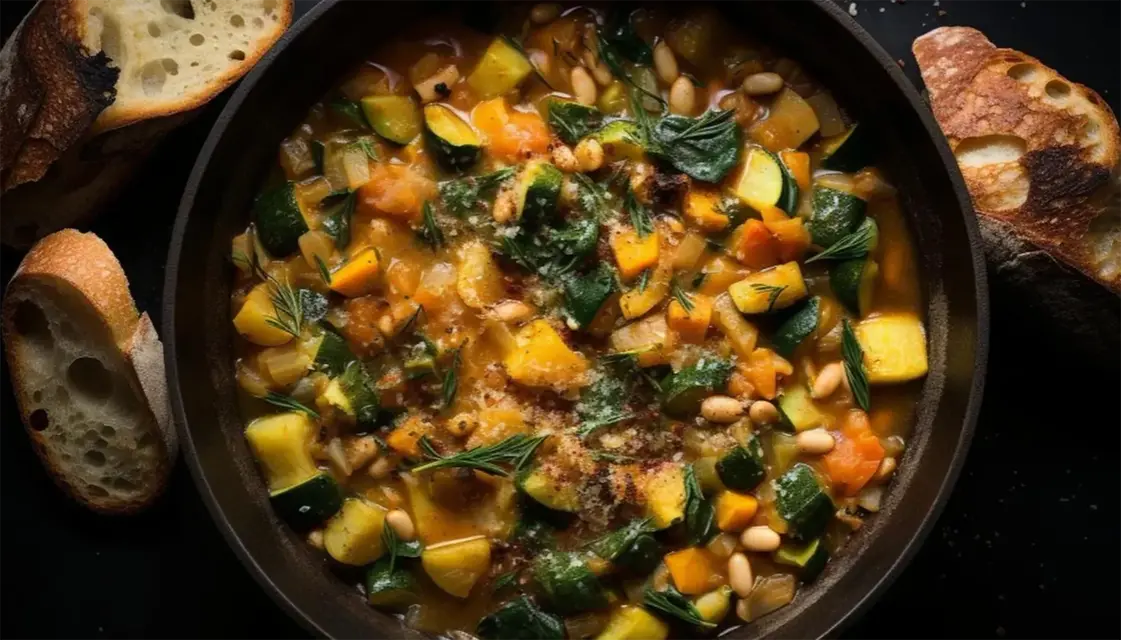
Ribollita Explained: The Comforting Tuscan Leftover Bread Soup
In the heart of Tuscany, where rolling hills meet ancient villages and culinary traditions run deep, a humble yet extraordinary dish reigns supreme: ribollita. More than just a soup, ribollita is a warm embrace in a bowl, a testament to resourcefulness, and a delicious journey through Italian history. This iconic Tuscan bread soup, often born from yesterday's leftovers, embodies the very essence of comfort food, transforming simple ingredients into a meal rich in flavor and tradition.
For many, the first encounter with ribollita is an unforgettable one. Imagine a child, typically a picky eater, perhaps wary of most vegetables. Yet, when presented with a bowl of this hearty creation, fortified with soft bread and savory goodness, it becomes an instant favorite. The bread, often submerged like a delicious secret, combined with tender vegetables and a rich broth, can surprisingly taste like a beloved canned tomato soup – but with an authentic, rustic depth that only homemade Italian cuisine can offer. This initial, perhaps simplified, version often evolves into a deeper appreciation for the soup's intricate textures and robust flavors as one matures and explores true Tuscan cooking.
What is Ribollita? A Taste of Tuscan History and Resourcefulness
The name ribollita itself offers a fascinating clue to its origins, translating directly to "reboiled." This simple term encapsulates centuries of Tuscan ingenuity, reflecting a time when every ingredient was valued, and nothing went to waste. Ribollita's history is deeply intertwined with the less well-off, a staple of peasant cuisine where creativity was essential for survival and satisfaction. It wasn't merely a dish; it was a way of life.
Traditionally, ribollita was a brilliant solution for making a new, nourishing meal out of existing ones. Picture leftover vegetable and bean soup – perhaps a hearty minestrone from the day before – reheated and given new life. The hero of this culinary transformation was often stale or day-old bread, which, instead of being discarded, was added to the simmering mixture. This not only added substantial "heft" to the soup, turning it into a truly filling meal, but also acted as a natural thickener, creating the characteristic creamy texture that defines authentic ribollita. It's a prime example of the "cucina povera" (poor kitchen) philosophy that champions flavor and sustenance over extravagance.
Because of its origins as a resourceful, adaptable dish, ribollita is best understood as a concept rather than a rigid recipe. There isn't one singular, definitive version; instead, it's a flexible outline, inviting cooks to use whatever vegetables, beans, and leftover bread they have on hand. This versatility is what has allowed ribollita to endure through generations, evolving slightly with each family and each season, yet always retaining its comforting, hearty essence. If you're eager to learn more about its unique history and variations, you might want to Uncover Ribollita: Tuscany's Hearty Bread and Bean Soup.
The Essential Elements of Authentic Ribollita
While variations abound, certain core ingredients form the backbone of any true ribollita. These components come together to create a symphony of flavors and textures that is both simple and profoundly satisfying.
- The Bread: The Heart of the Soup
No ribollita is complete without bread. Ideally, this should be day-old or stale, as it absorbs the broth beautifully without disintegrating completely. Crusty country bread, hearty sourdough, or classic ciabatta are excellent choices. The bread doesn't just thicken the soup; it becomes an integral part of its texture, adding a delightful chewiness and soaking up all the savory goodness. If you don't have stale bread, lightly toasting fresh bread can achieve a similar effect. - The Beans: Creamy & Nutritious
Tuscan cuisine famously features beans, and ribollita is no exception. Creamy white beans, such as cannellini, are the traditional choice, lending their earthy flavor and soft texture to the soup. Cooked cranberry beans or other white beans can also be used effectively, providing a rich, protein-packed base. - The Vegetables: The Flavorful Foundation
The soul of ribollita's flavor begins with a classic Italian soffritto: a slow-sautéed base of onion, carrot, and celery in a generous glug of olive oil. This aromatic trio builds a deep, sweet foundation. Beyond the soffritto, ribollita embraces a medley of seasonal vegetables. Tuscan kale (cavolo nero) is a particularly traditional and popular choice, adding a beautiful bitterness and vibrant green hue. Other common additions include cabbage, Swiss chard, potatoes, and diced tomatoes, which contribute a tangy brightness to the broth. Fresh garlic and woody herbs like rosemary or thyme further deepen the savory profile. - The Broth & Enrichments: Building Depth
A good quality vegetable broth forms the liquid base. For an extra layer of complexity, many recipes call for a splash of dry white wine, which deglazes the pan and adds a subtle acidity as it cooks down. A secret weapon for umami richness, often used in Italian cooking, is a discarded Parmesan rind, allowed to simmer in the soup and infuse it with its salty, nutty essence before being removed.
Crafting Your Own Ribollita: Tips for the Home Cook
Making ribollita at home is incredibly rewarding and, despite its rich flavor, surprisingly straightforward. It's a fantastic dish to master, particularly during colder months, offering endless opportunities for personalization.
Building Layers of Flavor
The key to a truly outstanding ribollita lies in building flavor from the ground up. Don't rush the initial stages. Begin by slowly sautéing your soffritto (onion, carrot, celery) in good quality olive oil until the vegetables are softened and slightly caramelized, releasing their natural sweetness. This step is crucial for depth. Add minced garlic and fresh rosemary, letting them cook for just a minute until fragrant before deglazing with white wine. Allow the wine to cook down, concentrating its flavor before adding your beans, diced tomatoes, and vegetable broth.
The Art of "Reboiling"
While many modern recipes start from scratch, embracing the spirit of "reboiling" can elevate your ribollita. If you have leftover bean or vegetable soup, use it as your base! Simply enhance it with fresh aromatics and the star ingredient: bread. The beauty of ribollita is that its flavors often deepen and meld even further after a day or two in the refrigerator, truly living up to its name when gently reboiled.
Integrating the Bread
For the best texture, the bread is typically added towards the end of the cooking process, allowing it to soften and thicken the soup without turning to complete mush. You can tear or cube the stale bread and stir it directly into the simmering soup, letting it absorb the liquid for about 5-10 minutes. Alternatively, some prefer to ladle the hot soup over slices of toasted bread in individual bowls. For an added textural contrast, consider serving your ribollita with additional toasted bread cubes or croutons sprinkled on top for a delightful crunch. A drizzle of robust extra virgin olive oil and a sprinkle of freshly grated Parmesan cheese are also highly recommended for serving.
Seasonal & Pantry Adaptations
Remember, ribollita is versatile. Don't be afraid to experiment with vegetables based on what's in season or what you have in your pantry. Swap kale for spinach or chard, use different types of beans, or even introduce fennel instead of celery for an intriguing anise-like note. This adaptability makes it a perfect "clean out the fridge" meal, ensuring minimal waste and maximum flavor. For those looking for a straightforward entry point into making this delicious dish, check out Easy Ribollita: Your Go-To Rustic Tuscan Winter Soup Recipe.
Storage and Reheating
Ribollita is an excellent make-ahead meal. It stores beautifully in the refrigerator for 3-4 days, with flavors often improving over time. It can also be frozen for several months. Thaw overnight in the refrigerator and gently reheat on the stovetop, adding a splash of broth or water if it's too thick.
Why Ribollita Resonates Today
In a world increasingly focused on sustainability and mindful eating, ribollita feels more relevant than ever. Its historical roots as a resourceful "leftover" dish perfectly align with modern desires to reduce food waste and embrace circular cooking. It's inherently eco-friendly, transforming humble ingredients into something magnificent.
Beyond its sustainable credentials, ribollita offers profound comfort. It's the kind of warm, hearty meal that nourishes the body and soothes the soul, particularly welcome on a chilly evening. Rich in fiber, protein, and essential nutrients from its bounty of vegetables and beans, it's also a surprisingly wholesome and healthy choice. Naturally vegetarian (and easily made vegan by omitting the Parmesan), it caters to a wide range of dietary preferences without compromising on flavor. Ribollita isn't just a meal; it's an experience – a delicious connection to Tuscan tradition and the timeless art of simple, good food.
Ribollita stands as a shining example of how necessity can be the mother of culinary invention. From its humble beginnings as a way to stretch ingredients and avoid waste, it has evolved into one of Tuscany's most beloved and iconic dishes. Its comforting warmth, robust flavors, and satisfying texture, born from the simple marriage of stale bread, hearty beans, and garden vegetables, invite us all to slow down, savor, and appreciate the magic that can happen when quality ingredients are treated with respect. So, gather your ingredients, embrace the spirit of Tuscan resourcefulness, and prepare to fall in love with this extraordinary "reboiled" bread soup.
