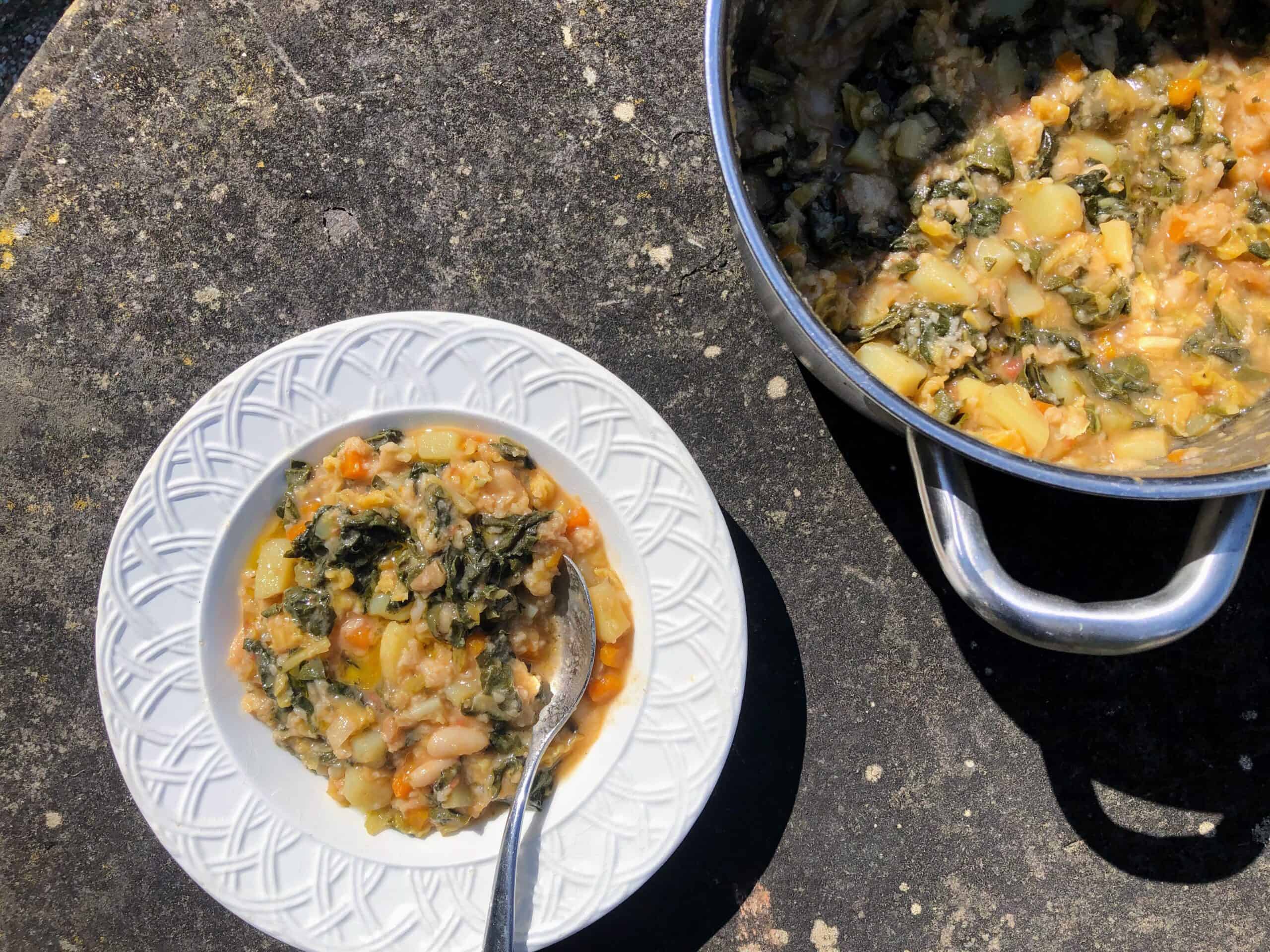
Uncover Ribollita: Tuscany's Hearty Bread and Bean Soup
Imagine a soup so comforting, so rich in history and flavor, that it transcends its humble origins to become a beloved culinary icon. This is the essence of
Ribollita, a quintessential Tuscan bread and bean soup that whispers tales of rustic kitchens, resourceful cooks, and the enduring spirit of Italian home cooking. More than just a meal,
Ribollita is an experience – a warm embrace on a chilly day, a delicious testament to the magic of simple ingredients transformed. While its name literally translates to "reboiled," hinting at its resourceful past, this hearty dish is anything but a mere reheating. It's a symphony of textures and deep, savory notes that has captured hearts for generations, from the strictest gourmand to even the pickiest of childhood palates.
The Enduring Charm of Ribollita: A Taste of Tuscan Tradition
At its heart,
Ribollita embodies the culinary philosophy of *cucina povera* – "poor kitchen" cuisine – where ingenuity and flavor are coaxed from readily available, often inexpensive, ingredients. This isn't just a bean soup; it's a celebration of vegetables, legumes, and most distinctively, stale bread, all simmered together until they achieve a luscious, thick consistency. Originating from the picturesque region of Tuscany,
Ribollita offers a profound taste of the land, reflecting the bounty of its fields and the resourcefulness of its people.
For many, the first encounter with
Ribollita is unforgettable. Perhaps it's the comforting aroma that fills the kitchen, or the velvety texture that melts in the mouth. Even those who once shied away from vegetables might find themselves surprisingly drawn to its charm, as the long, slow simmer renders greens and beans incredibly tender, almost dissolving into the rich broth. The secret, as many discover, often lies in the bread – submerged and softened, it adds an incredible body and a subtle sweetness that transforms the soup into something truly extraordinary. Topped generously with a dusting of Parmesan cheese and a drizzle of vibrant olive oil, it becomes a dish that defies expectations, proving that profound deliciousness doesn't always require an elaborate ingredient list.
Beyond the Bowl: The Humble Origins of Ribollita
The history of
Ribollita is deeply intertwined with the daily lives of medieval Tuscan peasants. In an era where food waste was simply not an option, every scrap found a purpose. This deeply ingrained pragmatism led to the creation of dishes like
Ribollita, which ingeniously repurposed leftover vegetable and bean soups, often from the previous day's meals. These base soups, perhaps a minestrone or a simple vegetable broth, were given new life by being "reboiled" with stale bread. The bread, instead of being discarded, absorbed the flavorful liquid, swelled, and thickened the soup, turning it into a substantial, filling, and incredibly satisfying meal. This not only extended the life of ingredients but also transformed them into something remarkably fresh and new tasting.
This concept of recycling and transforming leftovers gives
Ribollita its unique character and explains why there isn't one single, definitive recipe. It's more of a tradition, a method, than a rigid formula. Each household, each cook, would adapt it based on what was available. This flexibility is a beautiful aspect of
Ribollita, making it accessible and adaptable to modern kitchens while staying true to its historical roots. To delve deeper into the fascinating story behind this culinary staple, check out
Ribollita Explained: The Comforting Tuscan Leftover Bread Soup.
Crafting Your Own Ribollita: A Blueprint, Not a Strict Recipe
While the essence of
Ribollita lies in its adaptability, certain core components create its signature profile. Understanding these allows you to embark on your own culinary journey, creating a version that perfectly suits your pantry and palate.
The fundamental ingredients typically include:
- The Bread: This is arguably the star. Day-old, crusty Tuscan bread, ciabatta, country bread, or good sourdough works best. Its stale nature allows it to absorb the broth without disintegrating too quickly, adding body and richness. Don't fear the stale loaf; it's a feature, not a bug!
- The Beans: Creamy white beans, particularly cannellini beans, are traditional. Cooked from scratch or canned, they provide a hearty, protein-rich foundation. Other white beans or even cranberry beans can also be used.
- The Vegetables (Soffritto & Greens): The aromatic base, known as *soffritto*, is crucial. This typically consists of finely diced onion, carrot, and celery sautéed in olive oil. Beyond this, hearty greens like Tuscan kale (cavolo nero), regular kale, Swiss chard, or even cabbage are added to provide depth, texture, and a wealth of nutrients. Seasonal vegetables like zucchini or potatoes can also find their way into the pot.
- Aromatics & Broth: Garlic and fresh herbs like rosemary or thyme infuse the soup with a rustic, herbaceous fragrance. A good quality vegetable broth (homemade or store-bought) provides the liquid base, often brightened with a splash of dry white wine and crushed tomatoes. A Parmesan rind, simmered in the broth, is a secret weapon for an umami-rich depth.
The beauty of
Ribollita is its forgiving nature. Don't have cavolo nero? Use regular kale. No fresh rosemary? A pinch of dried thyme will do. The core idea is to combine vegetables, beans, and bread in a savory broth, allowing them to meld into a harmonious, soul-satisfying meal. This makes it an ideal dish for using up whatever fresh produce or lingering leftovers you might have on hand.
Tips for Mastering Your Homemade Ribollita
Creating a truly memorable
Ribollita at home is surprisingly straightforward, even for novice cooks. Here are a few insights to elevate your experience:
- Build Your Flavor Base: Don't rush the *soffritto*. Sautéing the onion, carrot, and celery gently until soft and slightly caramelized lays the groundwork for a rich, complex flavor. Add the garlic and herbs towards the end of this stage to prevent burning.
- Embrace Stale Bread: While you can toast fresh bread, genuinely stale bread (1-2 days old) is ideal. Cut it into cubes or tear it into rustic pieces. Some recipes call for submerging it directly, others for serving it toasted on top for crunch. Experiment to find your preference!
- Don't Skimp on Olive Oil: A generous "glug" of good quality extra virgin olive oil is not just for sautéing; it's a crucial finishing element. A final drizzle over the hot soup adds a fresh, peppery note that brightens the entire dish.
- Patience is a Virtue: While some "easy" recipes come together in 30 minutes, allowing your Ribollita to simmer for a longer period (even an hour or more) allows the flavors to truly meld and deepen. The "reboiled" aspect suggests this slow development of flavor over time.
- Make it Ahead: Ribollita is one of those rare dishes that often tastes even better the next day. The bread has more time to absorb the broth, and the flavors become more integrated. It reheats beautifully.
- Serving Suggestions: Always serve Ribollita hot, with a fresh grating of Parmesan cheese and that final drizzle of good quality extra virgin olive oil. For an extra textural contrast, consider adding some freshly toasted bread cubes or croutons on top.
If you're looking for an even quicker preparation, explore our
Easy Ribollita: Your Go-To Rustic Tuscan Winter Soup Recipe.
Why Ribollita Resonates Today: More Than Just a Meal
In an age of complex culinary trends,
Ribollita stands as a refreshing reminder of the power of simplicity. Its rustic charm and nourishing qualities make it a perfect fit for contemporary lifestyles, embodying principles of sustainability and wholesome eating. It’s the ultimate comfort food for a chilly evening, a dish that satisfies both body and soul without being heavy or overly indulgent.
The transformation of humble ingredients into something so profoundly delicious speaks to a universal human desire for warmth, sustenance, and connection. Whether you're an adventurous food lover eager to explore authentic Italian cuisine or simply seeking a hearty, plant-forward meal that nourishes from within,
Ribollita offers a rewarding experience. It's a dish that teaches us to appreciate the beauty of what's already available and to find extraordinary flavor in the ordinary.
In essence,
Ribollita is a culinary journey – from the resourceful tables of medieval Tuscany to the cozy warmth of modern kitchens. It proves that some of the most cherished dishes are born from necessity and perfected through generations of love and tradition. Its ability to turn simple components into a rich, complex symphony of flavors makes it a timeless masterpiece of Italian cooking, ready to be discovered and savored by anyone seeking a true taste of Tuscany's heart.